


Published 2025-05-13
Keywords
- Fish fauna,
- Pesa Creek,
- Arno River Basin,
- water resource
How to Cite
Copyright (c) 2025 Annamaria Nocita

This work is licensed under a Creative Commons Attribution-NonCommercial 4.0 International License.
Abstract
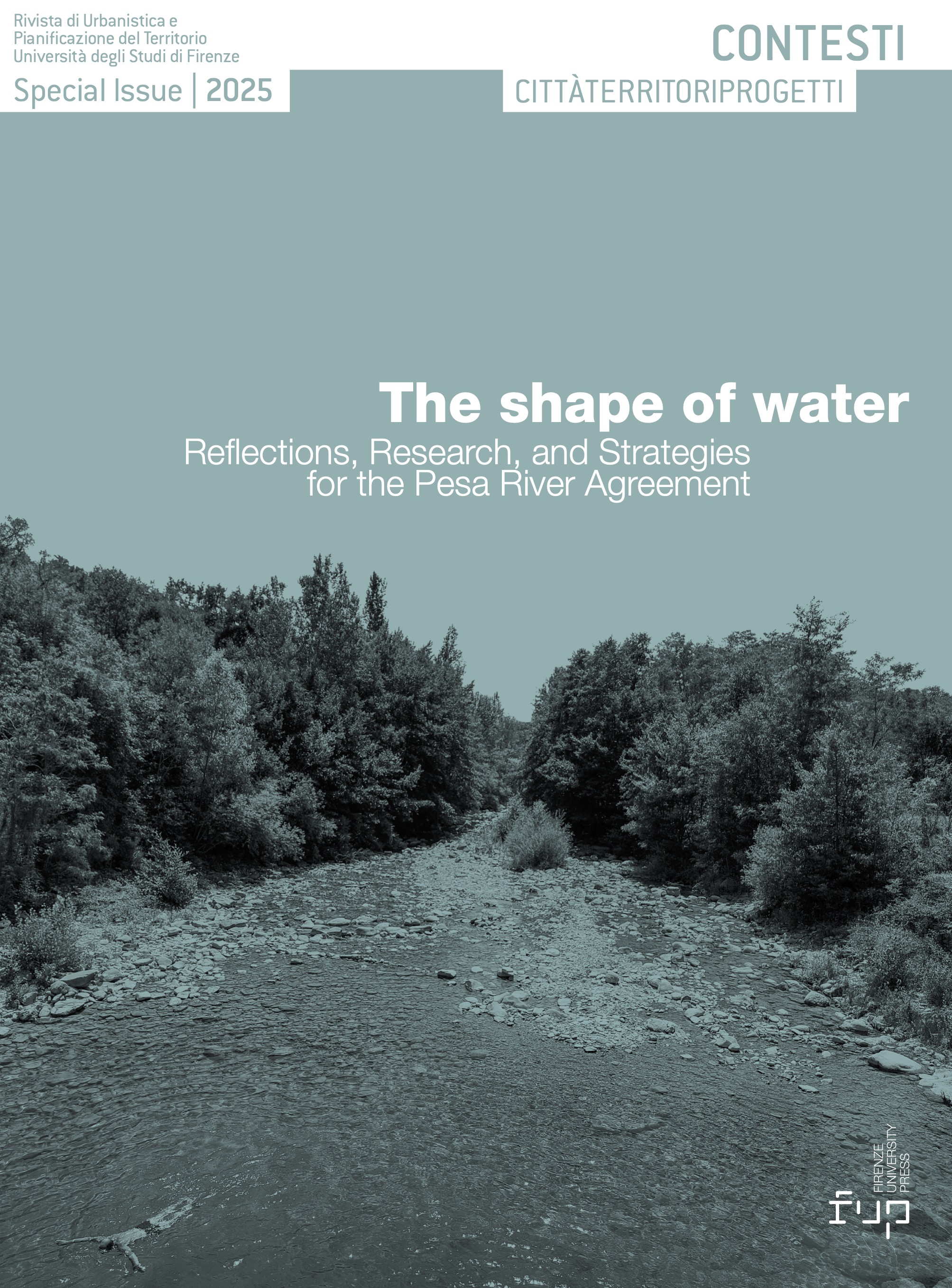
The basin of the Pesa Creek, a left tributary of the Arno River, is often considered a water body of little interest from the point of view of biodiversity due to the high level of anthropization of the area in which it flows. On the contrary, it is a basin that is home to many species, some of community interest that deserve protection. The main threats mainly concern the presence of alien species, albeit to a lesser extent than in the Arno River, and the punctual recurrence of prolonged droughts during the summer, especially affecting the valley section of the stream. Due to climatic events for which there is now scientific evidence, it is important to implement a series of measures for the conservation of this course that will allow not only the preservation of the current status, but also the improvement of conditions through targeted interventions and the more judicious use of the water resource.
Downloads
References
- Balon E.K., 1995, Origin and domestication of the wild carp, Cyprinus carpio: from Roman gourmets to the swimming flowers, «Aquaculture», 129, pp.3-48.
- Bovee K.D., Lamb B.L., Bartholow J.M., Stalnaker C.D., Taylor J., Henriksen J., 1998. Stream habitat analysisusing the Instream Flow Incremental Methodology. U.S.Geological urvey, Biological Resources Division,Information and Technical Report USGS/BRD-1998-2004; 130 pp. .
- Ceddia M., Menduni G., Nocita, A, 2010. Effetti del cambiamento climatico e indicatori di stress per le specie ittiche. Un caso di studio nel bacino dell’Arno. Atti del Congresso Società Italiana Ecologia, “Ecologia, Emergenza, Pianificazione”. Parma 1-3 settembre 2008. pp 2-7.
- Fortini N., 2016. Nuovo atlante dei pesci delle acque interne. Guida completa ai pesci, ciclostomi, crostacei decapodi di acque dolci e salmastre. pp. 693.
- ICES 2014. Report of the Joint EIFAC/ICES Working Group on Eels. ICES CM 2014/ACOM: 18, Rome, Italy. 201 pp
- Minns K.C., Moore J.E., 1995. Factors limiting the distributions of Ontario’s freshwater fishes: the role of climate and other variables, and the potential impacts of climate change, p. 137- 160. In R.J. Bearnish (ed) Climate change and northern fish populations. Can. Spec. Publ. Fish. Aquat. Sci. 121.
- Nocita A., 2002. Carta Ittica della Provincia di Firenze. Assessorato Agricoltura Caccia e Pesca. e Museo di Storia Naturale, 254 pp
- Nocita A., Lenuzza A., 2016. Le specie ittiche aliene in Toscana e il caso del Siluro europeo. Codice Armonico 2016, Castiglioncello (LI) 13 ottobre 2016, pp. 199- 206
- Nocita A., Poggesi M., 2010. Le introduzioni di pesci alieni nelle nostre acque: tra necessità e gioco. Atti del Convegno ”Fiumi e laghi della Toscana tra passato e presente. Pesca, Memorie e Regole”, 11-12 dicembre 2006. A cura di Franek Sznura. Assessorato caccia e pesca, Provincia di Firenze. Firenze, pp: 369-380.
- Rambaldi A., Rizzoli M., Venturini L., 1997. La valutazione delle portate minime per la vita acquatica sul Fiume Savio nei pressi di Cesena (FO). Acqua Aria: 99-104
- Repetti E., 1833. Dizionario Geografico Fisico Storico della Toscana, Firenze, coi tipi di A. Tofani. Volume 1, pp 638.
- Zerunian S., 2003. Piano d’azione generale per la conservazione dei Pesci d’acqua dolce italiani. Min. Ambiente e Ist. Naz. Fauna Selvatica, Quad. Cons. Natura n. 17, 123 pp.