Sustainable Strategies for Knowledge of Built Heritage: Graphic Methods for Vaulted and Arched Masonry Structures
1 Department of Energy, Systems, Land and Construction Engineering (D.E.S.T.eC), University of Pisa, Italy
2 Department of European and Mediterranean Cultures, University of Basilicata, Italy
3 National School of Architecture of Marrakech (ENAM), Morocco
Email: emanuele.leporelli@ing.unipi.it; m.martino@ing.unipi.it; vito.porcari@unibas.it; giovanni.santi@unipi.it; atayyibi@gmail.com
*Corresponding author
Abstract. Traditional materials and construction techniques are of central importance for knowledge and, subsequently, the protection of existing building heritage, including historical and monumental sites. The evaluation of the static consistency of existing structures can be carried out in a coherent and accurate manner only by starting from an in-depth knowledge of the geometric, physical and mechanical characteristics of the building’s structural elements. In recent years, we have witnessed an exponential increase in the use of advanced technologies for graphic representation and subsequent structural analysis, especially in the study of existing buildings. For a real and concrete application of the results, these representations must be critical and functional for understanding the building rather than merely serving as graphic virtuosity. In this framework, the graphic methodologies to be applied, in support of digital data, in simplified procedures for a preliminary knowledge of the buildings, their technological configuration and static behaviors have been studied in depth. It is important to point out that the historic built heritage, unlike the modern built heritage, is characterized by the strong presence of vaulted and arched elements, with columns and piers of various shapes and materials; for this reason, models and procedures of graphic analysis based on the limit analysis and the theories of Jacques Heyman have been applied. The method is first applied and verified on a single historical monumental building to test its limits and potential and then applied to other case studies. The results show that the graphical and analytical analysis of structures is a valid and reliable tool for analyzing buildings in order to understand their structural behavior, since, even if the model is simplified, it is possible to obtain results that are strongly correlated with the behaviors of the structures and can guarantee good accuracy and adequate safety margins.
Keywords: Built heritage, Structural analysis, Graphic method, Morocco, Construction techniques.
1. Introduction
The culture of the valorization and preservation of Cultural Heritage, or in general of building recovery, has always recognized the “built environment” as the bearer of a quantity of Values that are defined but changeable according to the historical epoch with respect to this, it is necessary to define decisions on the possibilities of intervention in order to respond to the continuous and constant need for maintenance and also transformation of this heritage [1]. In recovery, reuse and refurbishing projects, the impact of modernity can also take on destructive aspects. There are several studies from which the need to address recovery emerges, refunctionalisation and infrastructural integration, through an understanding of the urban environment and the opportunity to define a cultural guideline, a sort of code of behavior that allows for the re-inhabitation of this architectural heritage. Bringing the structures back to life in accordance with the requirements of modern living, without altering their consolidated characteristics over time, with interventions correlated to the original constructive, typological, functional and technological characteristics, is indispensable, but at the same time, particular attention must be paid to the integration and sustainability of the new interventions [2]. In this cultural context, the analysis of existing structures, in particular historical and monumental buildings, in general implies confrontation with masonry constructions, made of a material in which a resistant structure is often not clearly recognizable. This depends on the building’s geometry, the distribution of stiffnesses and masses within it, the temporal succession of construction works and subsequent modifications, the acting loads, and sometimes the presence of structural cracks and material damage, which may be more or less evident [3]. In these fields, the study and numerical modeling of the structure, also of the FEM. type, cannot be separated from analysis tools that allow us to describe it through a first decomposition and subsequent independent schematization of single parts of the construction (arches, vaults, piers, walls, etc.), otherwise the instrument of critical control of the results would be missing. The analysis of the static condition of existing structures and historic and monumental buildings can therefore only be conducted consistently and correctly based on a thorough knowledge of the geometric, physical and mechanical characteristics of the building’s structural elements [4]. The latter consists of building materials and techniques that vary considerably in relation to both the geographical area and the era of construction, as well as the various historical stratifications. Consider also the difficulty in representing and managing the large and complex knowledge related to the non-geometrical aspects of the historical heritage with the problems related to meeting the requirements of semantic representation of the built heritage [5]. For this reason, they must be evaluated on a case-by-case basis with a careful examination of the building in its entirety through geometric measurements, surveys, and non-destructive testing [6]. Researching, investigating and discovering what the orders and rules of good building are, is a subject that has been addressed in the debate of the scientific community, but it proves to be more topical than ever if we consider, in Italy alone, the wide diffusion and peculiarity of building techniques, autochthonous materials, specificity of workers, unique to urban contexts that are never standardized, such as historic centers. In such diversity, difficult to standardize, the meaning of intervening “according to the rules of the art” acquires the meaning of “doing with care and precision”, following dimensional, constructive and formal language rules dictated in some cases also by a component of indeterminacy, the result exclusively of man’s need for survival [7]. Within this debate, therefore, an attempt is made to establish the definition of a “methodological strategy” that can connect the recovery intervention essentially aimed at the reinterpretation of pre-existing structures, with a reading of historical forms and materials. The pivot around which the entire discussion revolves is the definition of a method for transferring knowledge from the past to meet the demands of the present, while considering future demands and needs. A suitable methodological approach, therefore, is the key to ensuring the processual continuity of the built heritage. This approach allows us to interpret and read the existing building heritage in the light of contemporary needs; millennial history must confront the demands of the current lifestyle. It is therefore important to continue to implement and develop different methodological approaches that propose, in addition to preserving the image of pure matter, innovative formal and technological solutions starting from the basics of static knowledge of masonry constructions, tackling, in a simple and innovative way, the study of the behaviour of both the most important monuments and the most common works, in a unitary vision that crosses engineering and architecture [8]. In this perspective, knowledge of the artifact as an object of analysis must be obtained by exploiting all the most modern and advanced technologies, such as the use of drones, 3D laser scanners, etc., aimed at the most complete and comprehensive graphic rendering possible. However, at the same time, such representations must be both critical and functional to the understanding of the artifact, rather than merely a display of graphic virtuosity. From another perspective, the widespread use of finite element models, facilitated by the characteristics of increasingly prevalent IT tools, requires particular attention and care. The modeling of existing buildings, and of those in masonry with historical and monumental interest, is indeed very complex, especially in relation to the possible schematizations for the realization of the model and the choice of the mechanical characteristics of the materials. Based on geometric and dimensional measurements, even if carried out with high accuracy, it is of fundamental importance to thoroughly investigate the building and increase its knowledge, both in order to create a mathematical model congruent to the behavior of the structures, to correctly interpret it, and to verify the results. For each structural element, the geometry and nature of the materials must be known, because only this can allow obtaining a first configuration that is essential for a full understanding of the overall static functioning of the building. This process of first approach, so indispensable for the real and complete knowledge of the artifact, is effectively realized through analysis using graphic methods, based on the limit analysis and the theories of Jacques Heyman [9-10]. As further study, if necessary, through subsequent steps, it is then possible to arrive at the finite element (FEM) modeling of both the individual elements and the whole structure, in a critical way, ensuring a check of the input and output data, to reduce the risk of incorrect interpretations of the results of the mathematical model. To test the potential and limits of the proposed graphic method, it was applied in advance to a case study that was well-suited to the purpose. A historical building in ordinary, regular and compact load-bearing masonry was analyzed, which presented typological, constructive and structural elements, typical of historical buildings such as arched structures, i.e. vaults and arches, piers, metal chains, etc. The chosen artifact also proved to be very suitable both for the applications of Heyman’s theories and for detailed and meticulous FEM finite element modeling. The choice went to the “Logge di Banchi” in Pisa, Italy. The graphic method, once validated through the case study, was then applied as part of a broader, international, multidisciplinary research project to the monumental gate called “Bab Agnaou” of the historic walls of the city of Marrakech in Morocco.
2. Methods
The proposed approach for understanding and analysis of masonry structures with vaults and arched structures consists of the following steps. Starting from the basis of global and local geometric measurements, the buildings must be studied in depth to increase their knowledge. For each structural element, the geometry, nature of the materials and the constructive technique must be studied. In particular, the constructional logic of vertical structures (walls and masonry fixtures), horizontal pusher structures (arches and vaults in masonry) and non-pushing (wooden roof slabs) must be studied. Based on these analyses, the first framework for understanding the overall static functioning is possible to obtain. Moreover, it is possible to identify the structural elements to be analyzed in detail successively. In this phase of knowledge about the building, the presence of structural damage and degradation phenomena could be investigated. The analysis of the structural elements is carried out using graphic methods based on limit analysis and on the theories of Jacques Heyman. To conduct the graphic analysis, the structure must be decomposed by identifying its significant modules. It’s important to highlight that, in line with Heyman’s hypothesis, the path of analysis of the structure proposed is based on a model with non-reactive tensile masonry. The masonry has a tensile strength that is not considered in this type of modeling. A simplification is therefore carried out, which, however, is in favor of safety. It is considered an ultimate limit state, but in reality, considerable resources of the structure given by the real tensile strength of the masonry are neglected. Moreover, more specifically regarding the analysis of masonry arches, it is useful to underline that, in addition to considering them free of tensile strength, we consider them as free in space. In reality, they are constrained in the vertical plane by the masonry, which prevents changes in shape and, therefore, the onset of instability phenomena, which are the main causes of the collapse of arched and vaulted structures. This allows the arch to have almost infinite compressive strength, limited only by the crushing resistance of the material, as seen in Heyman’s hypothesis [11-13]. As far as the vaulted structures are concerned, even if in a minor way, they are limited in the shape change from the backward, which, if it is of good workmanship and of suitable materials, is very effective. Moreover, in the analysis of the vault, carried out in sectors, the contribution that each sector offers to the other and the global contribution that their union offers is neglected. From the above, it is clear that the results obtained from the previous analyzes are useful for understanding the behavior of the structural elements, operating strongly in favor of safety [14].
2.1 Analysis of structures from graphic-synthetic to FEM methods: case study “Logge di Banchi” in Pisa
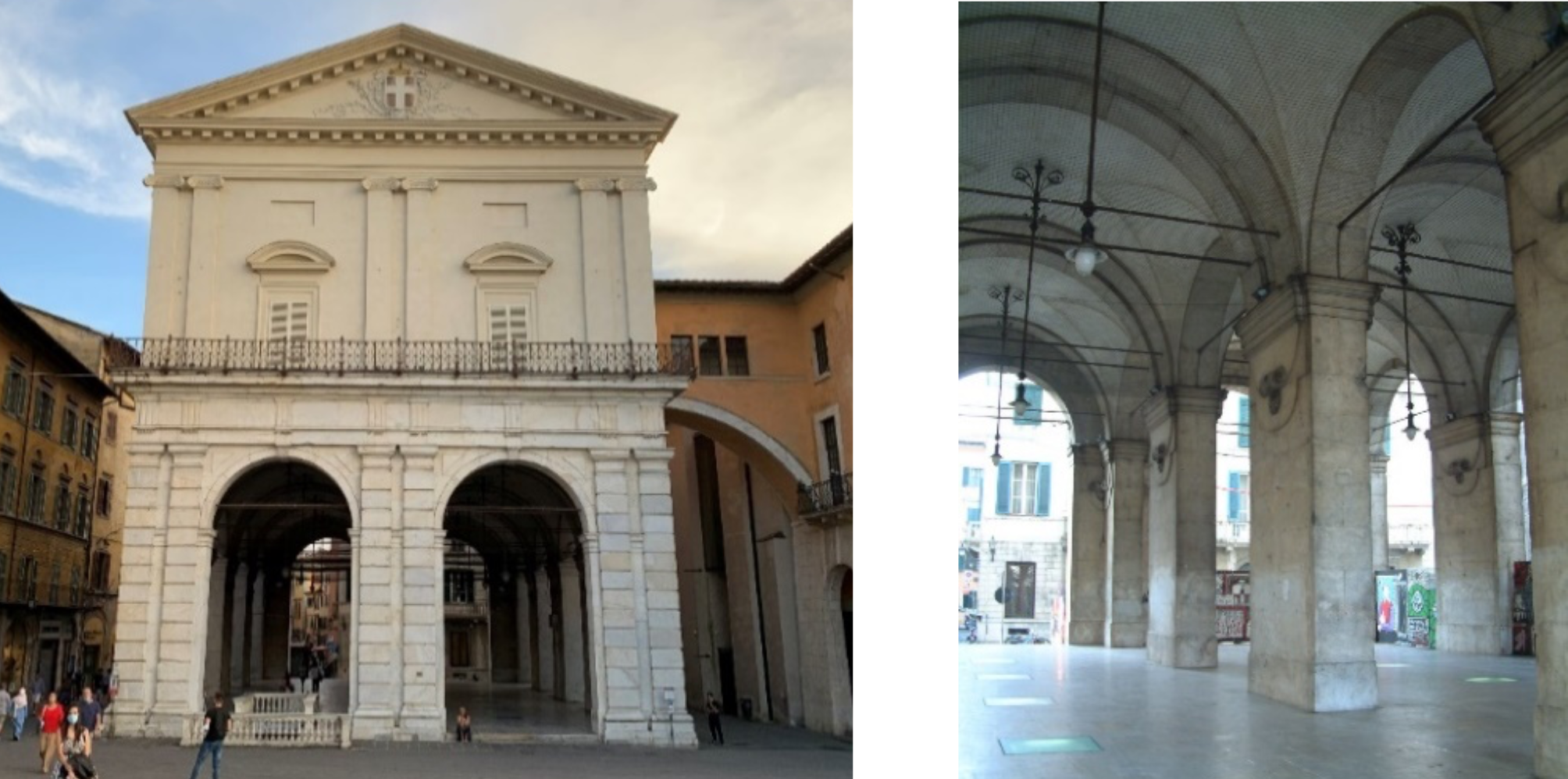
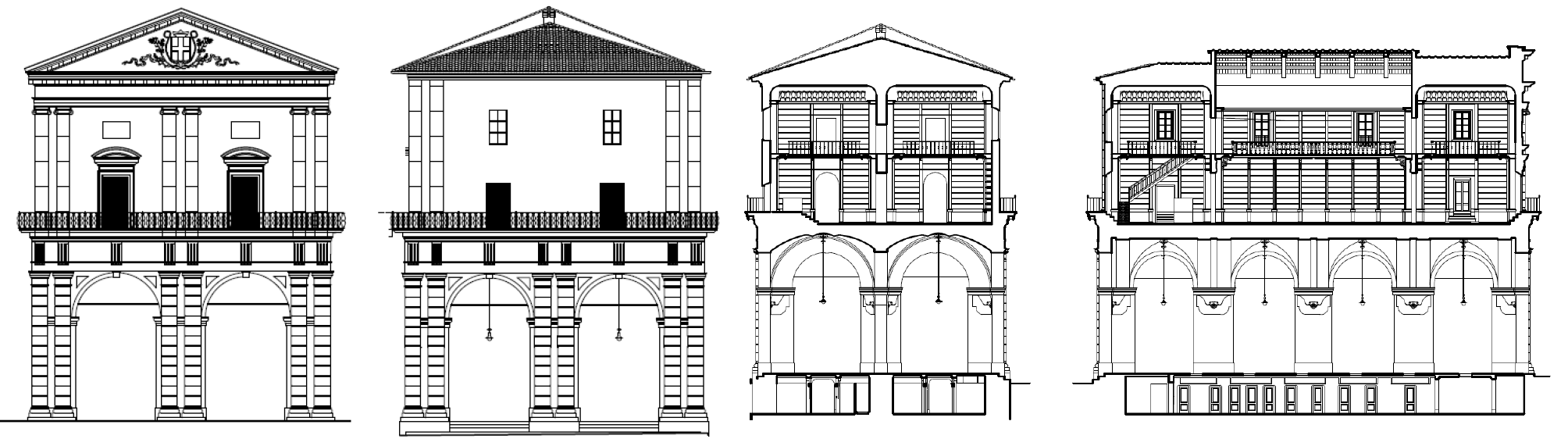
The complex of the “Logge di Banchi” in Pisa (Figures 1-2) is placed at the center of the city, on the historical commercial axis where the palaces of political and administrative life are located. The current configuration of the “Logge di Banchi” is the result of the succession of various transformative interventions that occurred during the 400 years of the building’s life. It consists of three main parts: (1) the ground floor consisting of the Lodges built in 1603, presumably based on a design by Bernardo Buontalenti, (2) the first floor partly made up of the original 17th-century first floor, which was later transformed and raised in 1865 by the architects Cervelli and Piccoli called “State Archives” and (3) the basement floor built in the early twentieth century and named “Albergo Diurno Cobianchi”. The ground floor is preserved intact in the structures and architectural elements that characterize it; the plan is rectangular, measuring approximately 33 × 19 m, with a height of 22 m [15].
2.2 Analysis of structures with graphic-synthetic methods
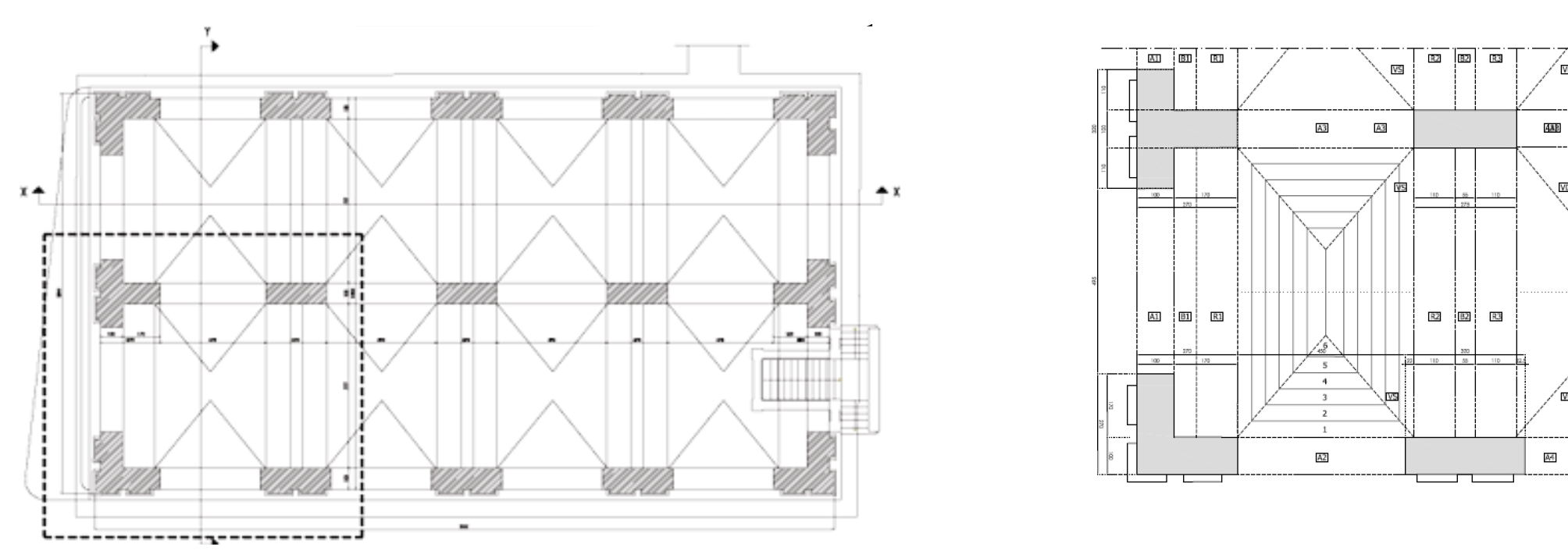
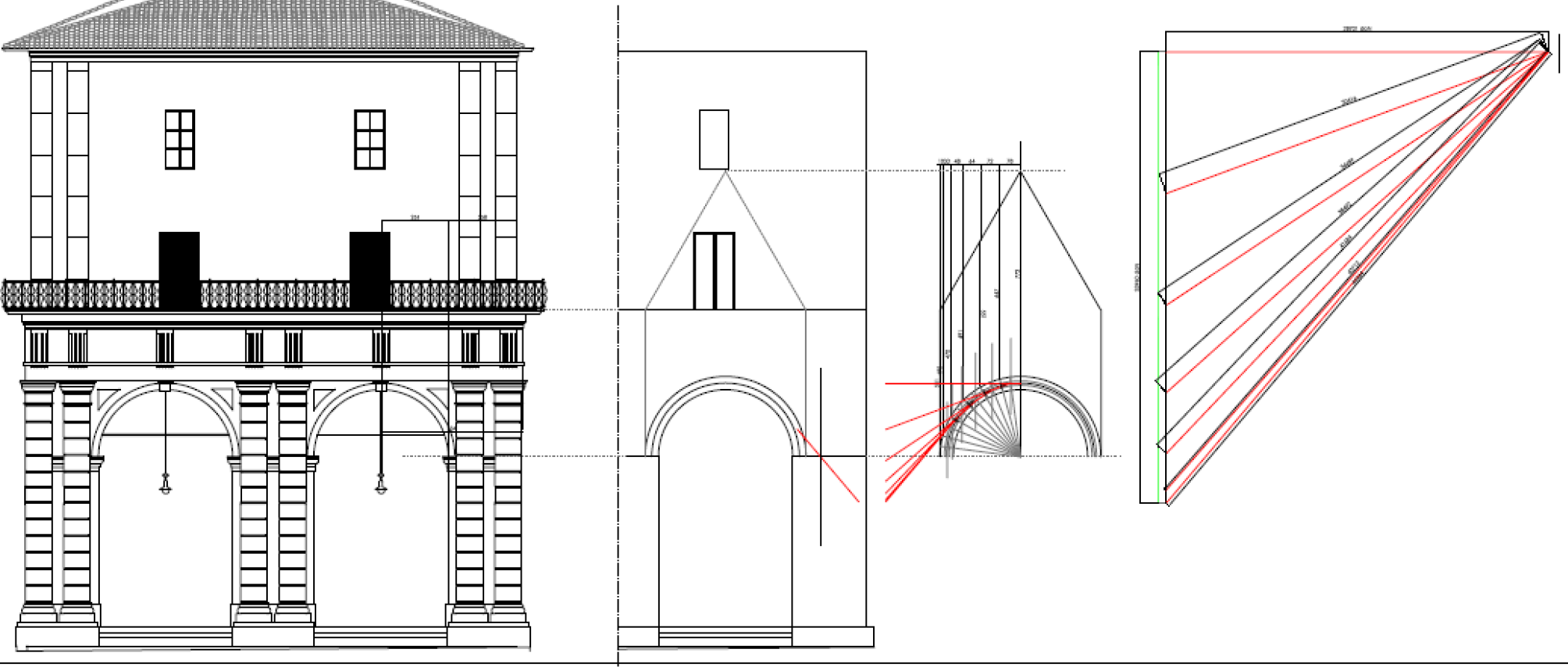
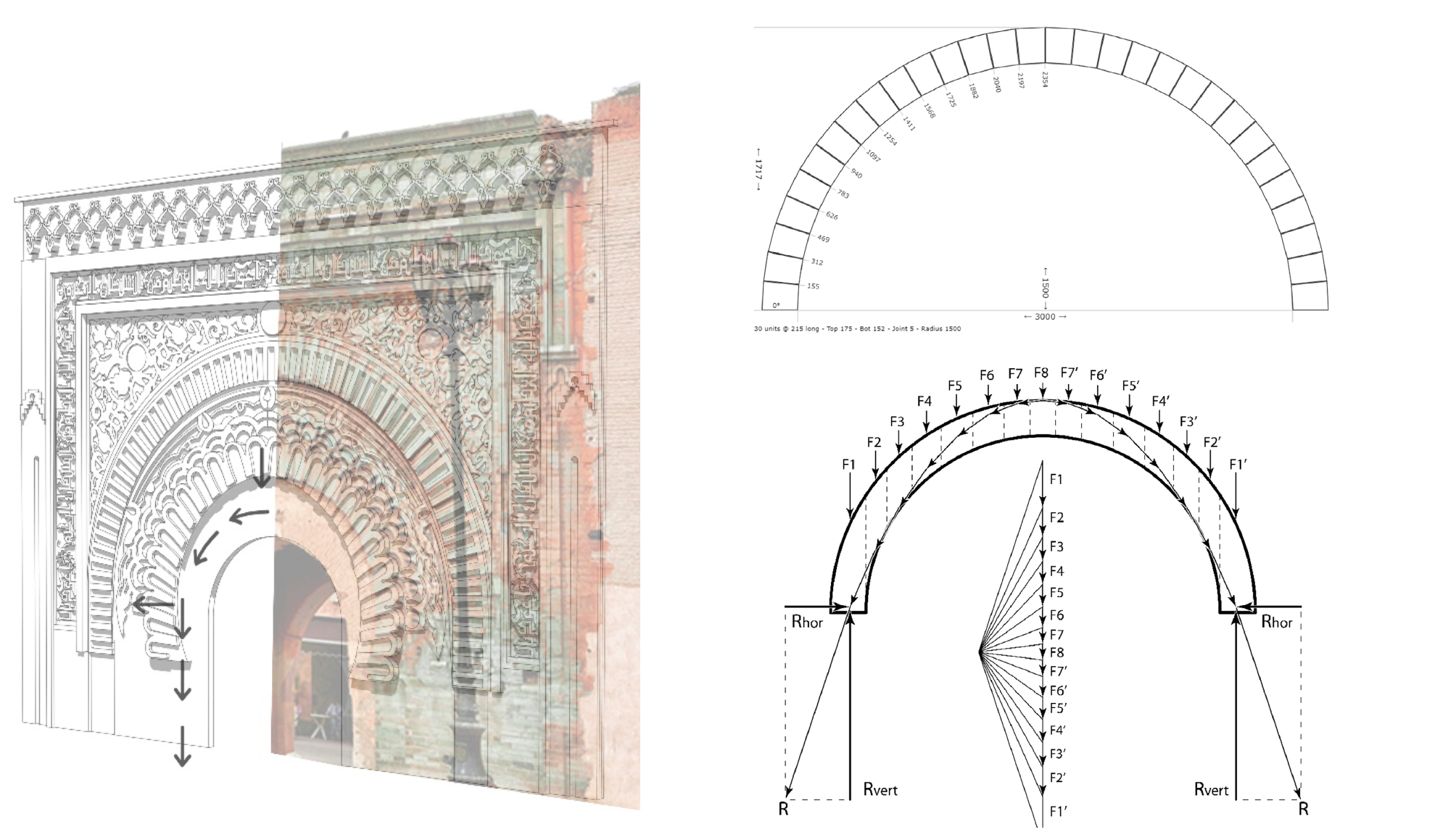
Each internal module (Figure 3), enclosed between the four separately tested stone reinforcement arches, formed by a lunette barrel vault, has been divided into 6 equidistant parts with a width of about 45 cm. Due to this schematization, each lunette is divided into six sectors, and the barrel vaults are divided into 12. Also, for stone and masonry arches, a graphic and analytical analysis was carried out for the determination of the stress states. Piers constituting the lodges can be classified, according to their position and geometric structure in plan, into three main types: “L”, “I”, and “T”. For each type of pier, the rays and the relative central ellipse of inertia and the central inertial core were determined through graphic and analytical methods. For each strip, the graphic analysis was carried out by obtaining a funicular polygon of forces such as to be as close as possible to the arch axis line and in any case contained within the arch. (Figure 4).
2.3 FEM analysis of partial and global models
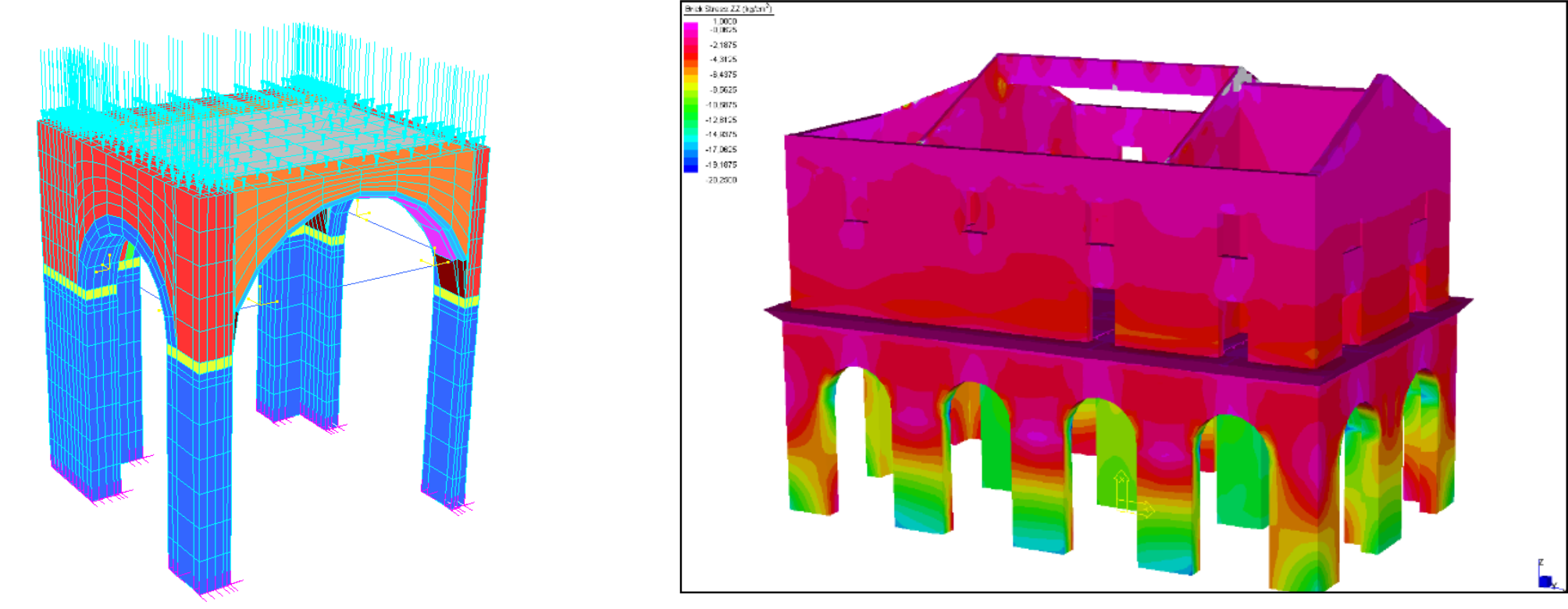
Based on the analysis of the structures with synthetic graphical methods, then the creation of a model FEM of the same structures has been realized. The stress and deformation states of the elements have been investigated in relation to the hypotheses made, through various schematizations of load application, boundary constraints, and types of FEM elements used for modeling the different types of structural elements. The numerical analysis of the structures was performed with the “Straus 7” [16]. The construction of the finite element model has been realized, without the aid of “auto mesh functions”, directly constructing every structural element (arches, vaults, springers, walls, etc.) based on geometric measurements, observations and considerations made in situ. In the model, only the above-ground structures were represented, leaving out the foundation structures but schematizing their constraints (Figure 5).
2.4 Case study “Bab Agnaou in Marrakech” (Morocco)
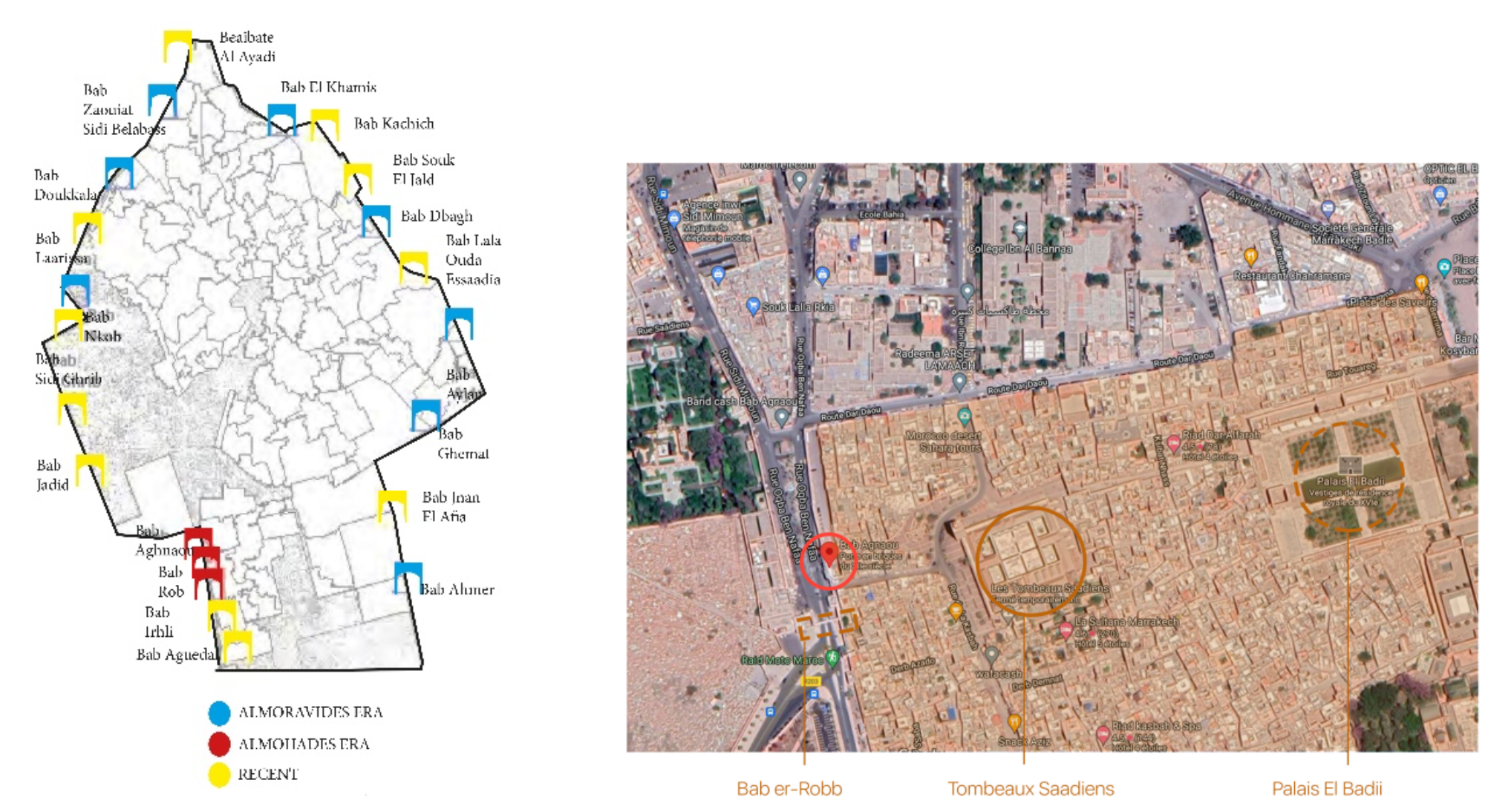
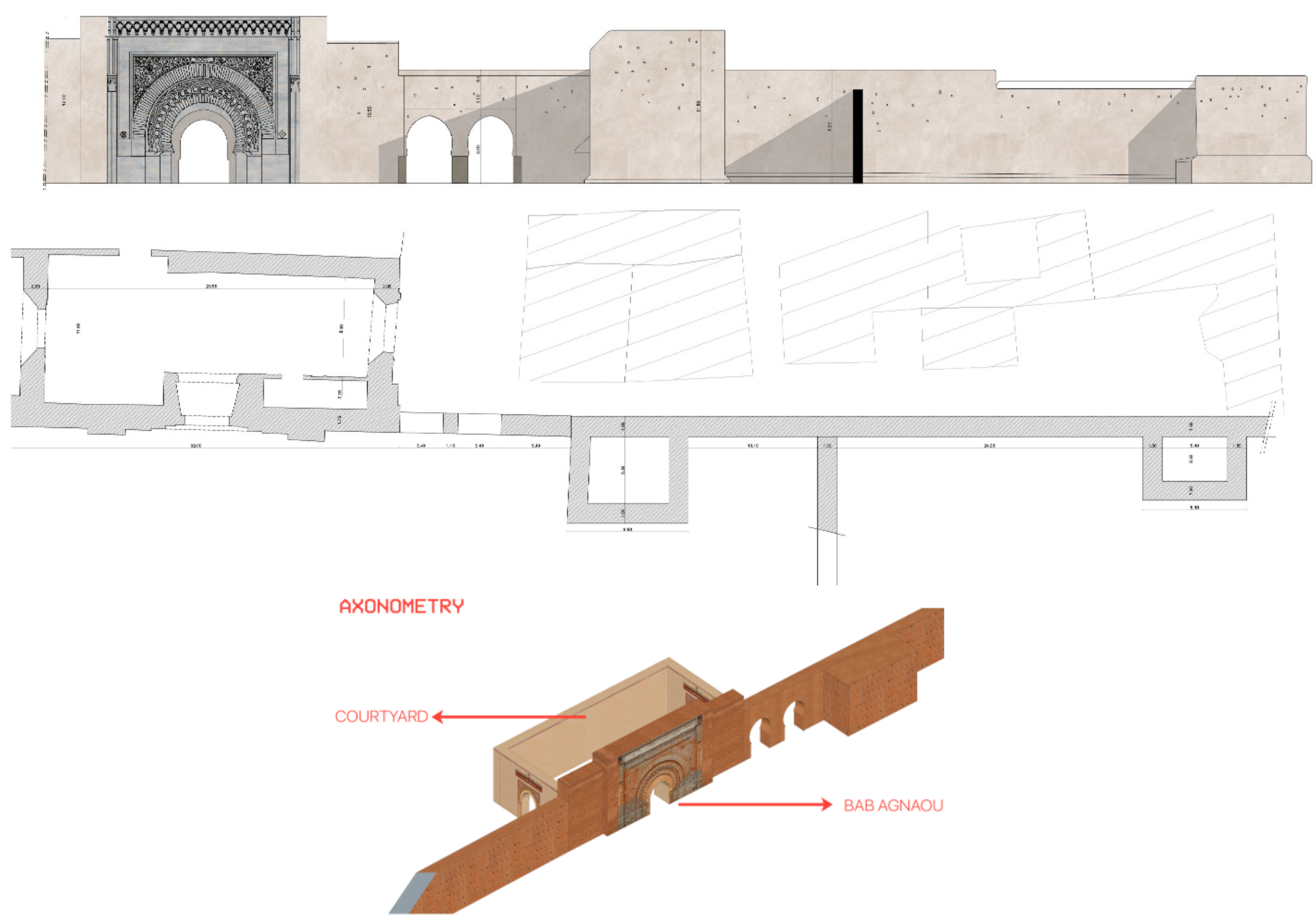
The simplified graphic method, studied, analyzed and validated with FEM analysis in the case study of the “Logge di Banchi” in Pisa, has been applied, at an international level, to the Bab Agnaou, a monumental gate that is part of the historic walls of the ancient Medina of Marrakech (UNESCO site), Morocco. The study presented here is a synthesis of a much broader research carried out within the framework of an agreement between Department of Energy, Sys-tems, Land and Construction Engineering of the University of Pisa (D.E.S.T.eC) and École Nationale d’Architecture de Marrakech (ENAM) signed since 2018 to develop joint studies in the field of Architecture, Urban Space and Technological Development. Bab Agnaou (Figures 6-7) is one of the best-known monumental gates in Marrakech and its construction is attributed to the Almohad caliph Abu Yusuf Ya’qub al-Mansur and was completed around 1188 and 1190. The gate was the main public entrance to the Royal Kasbah (citadel) in the southern part of Medina. The function of the gate was primarily decorative, given its location already inside the city walls and was originally flanked by two bastion towers crowned with merlons [17-19].
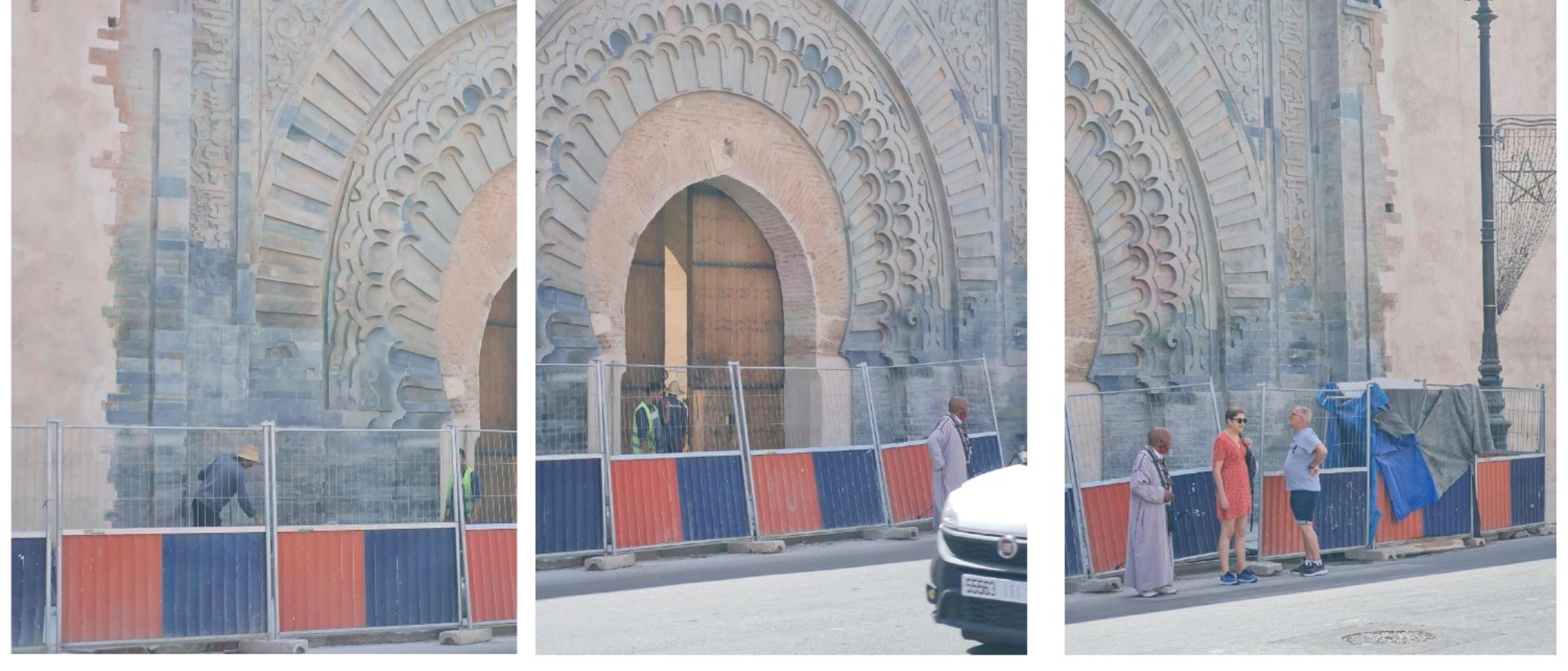
The passage inside was a bent entrance passing through a large, vaulted vestibule. The flanking towers and the covered vestibule, however, have since disappeared, and the archway of the gate has been partly filled in with a smaller and simpler brick arch. Since its construction in the 12th century, the gate seems to have undergone fairly frequent restorations (Figure 8), three of which are archived: a) the restoration of the eighteenth century, during the reign of Sultan Sidi Mohammed Ben Abdellah (1757-1790) in which the arch of the gate opening was reduced in width and height; b) the restoration in 1930 during the French protectorate; c) the restoration in 1960 which only proofs left are photos and testimonies of former craftsmen [18].
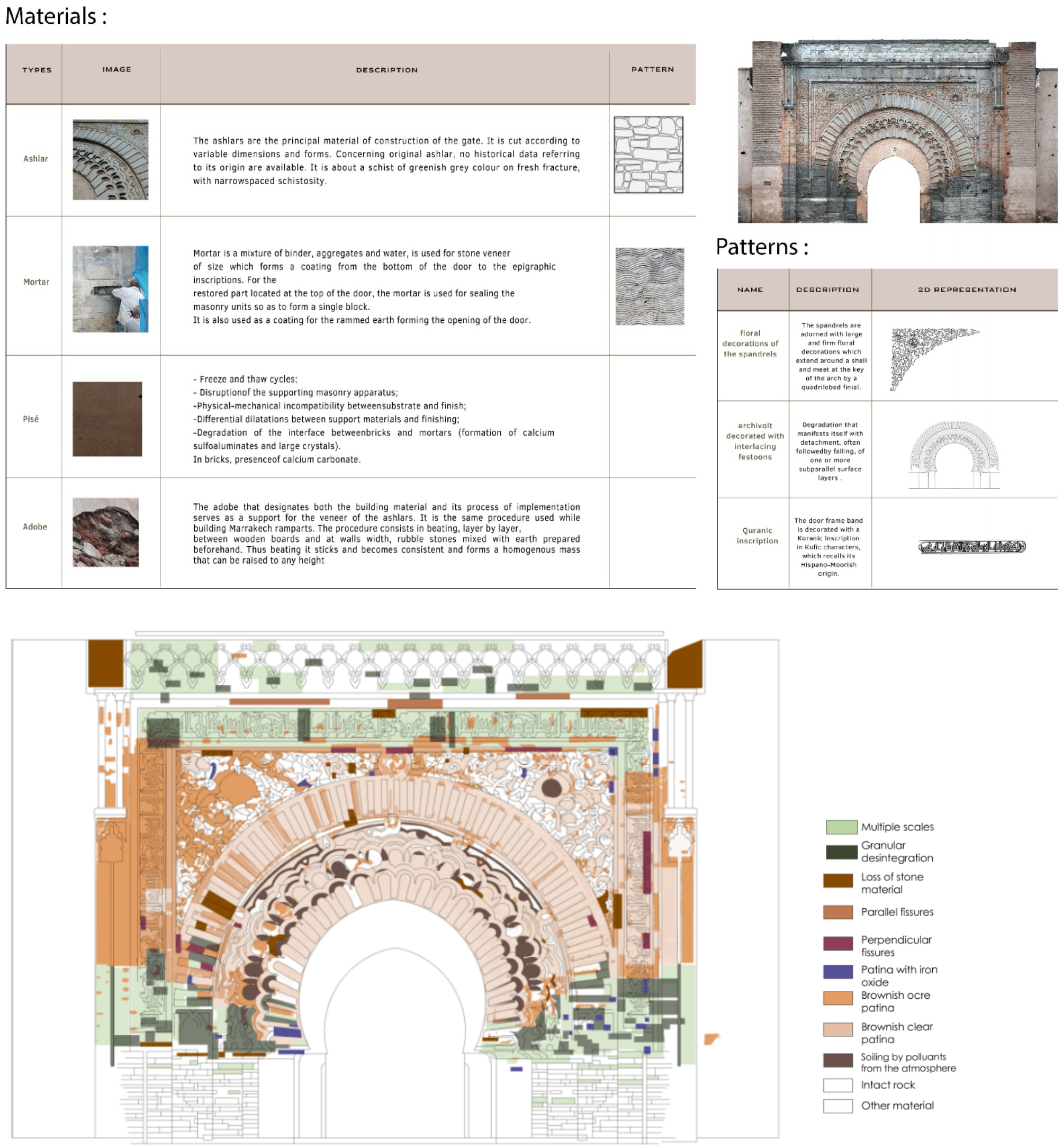
Bab Agnaou, with its sumptuous stone decoration, consists of 4 successive semicircular arches, which appear to be superimposed on each other (Figure 9). It is also very common in mosques to have a purely oriental arch in which the two semi-arches extend downwards below the plane of the centres. The analysis procedure proposed for the case study of the “Logge di Banchi” in Pisa was also applied to the arch in question. The load-bearing brick arch was analysed in detail, assuming it, for the sake of safety, as a support for the structures above. Operationally, for the graphic analysis, the arch was schematised as a round arch, (radius 1500 mm) and subsequently divided into 30 ashlars, with 5 mm joints (Figure 10).
3. Results
The results obtained in the research can be divided into two parts, one for each of the two case studies analyzed. In detail, we can make a first, more theoretical and in-depth consideration on the Pisa case regarding the proposed simplified method, and a second, more practical and expeditious one regarding the possible applicability in a more operational field. With reference to the case study of the “Logge di Banchi” in Pisa, it is possible to observe that, comparing both the qualitative and the numerical results obtained both with the graphical and analytical analyses and with the FEM analyses, we note good correspondence, even if with slight differences due to the schematizations carried out in both types of analysis. The main source of the differences in the results of the two types of analysis is the schematization of the constitutive bond of the masonry material; in graphical analysis, masonry is schematized as a non-resistant linear elastic material, and in the finite element analysis, the material is schematized as linear elastic but also endowed with tensile strength. These results represent the two extremes or the lower and upper limits within which will certainly be understood the real behavior of the masonry, of the structural elements, and of the global structure, being the masonry material endowed with one, even if minimal, tensile strength.
Analyzing these results in detail, however, some singularities can be fully justified based on the aforementioned premises; in particular, a difference in the stress state of the chains is observed, higher in the FEM analysis compared to the graphical analysis. This is presumably due to the different stiffness of the structures and the contributions taken into consideration, or better depends on the fact that in the graphic analysis the acting forces are determined by analyzing the vaulted structures by sectors, separated from each other, the separated arcs, the walls applied as separate loads and then added together but without taking into consideration the mechanical loads that are actually present between them. The FEM model also takes into account this interaction between structural elements and their portions, although considering the material as having tensile strength, and therefore slightly modifying the results. Moreover, the spandrel of the vaults is, in the first case, considered as a load on the structures, while in the second case, although equipped with different stiffnesses to limit the effects, it is an integral part of the structures and therefore considered both as a weight and a structure interacting with the vaults. In conclusion, we can consider the global model faithful to the expected behavior of the structure only if it is interpreted in light of the previous considerations.
Regarding the findings from the case study of Bab Agnaou in Morocco, however, we can say that the graphic method, with its potential and limits as tested and highlighted in the case study in Pisa, is easy to apply when inserted within a study of artifacts. By applying traditional cognitive methods, historical analysis, geometric survey, material analysis and degradation, etc., the graphic analysis, rapid and expeditious, constitutes a further useful element of knowledge that provides elements both in terms of seismic vulnerability and the degree of static safety of the structures. From this enriched cognitive framework, useful elements can emerge more clearly for the planning of possible future interventions on the artifact, both for reuse and refunctionalisation and for management and scheduled maintenance.
4. Conclusions
On the basis of the above considerations, it is possible to draw some general conclusions regarding the methods of investigation and analysis used in this case study. The analysis of the static consistency and of the eventual evaluation of the seismic vulnerability of the existing structures, in particular of the historical and monumental buildings, can be carried out in a coherent and correct way only starting from a deep knowledge of the history and of the geometric, physical and mechanical characteristics of the structural elements. To obtain this, a preliminary and in-depth knowledge of the building in its entirety is necessary, through historical documentation, geometric measurements, investigations, tests, etc.
Being able to read the supporting elements, making their schematization and the consequent modeling is often very complex and challenging to interpret. On the contrary, through the use of graphic-synthetic and analytical methods based on the method of limit analysis and the theories of Jacques Heyman, it is possible to obtain a first detailed picture of the building. It allows access to understanding the functioning of structures, starting from the main elements such as arches, vaults, springers, and walls, to gain a comprehensive understanding of the structure as a whole. Therefore, the use of graphical and analytical analysis is not only an excellent tool for assessing the static consistency of structures, with the advantages and limitations illustrated above, but also and above all an excellent tool for the knowledge of monumental historical building artifacts, even in the case of complex constructions. In a second phase, through a finite element analysis, all results obtained through graphic and analytical procedures is analyzed to investigate local phenomena and behaviors that are difficult to analyze using only a global model. Starting with considerations and evaluations based on rigorous graphical and analytical analysis of the structures, FEM with particular levels of detail can be realized, aimed at local investigations on even complex buildings. It is objectively difficult in structures such as the structure under study to analyze all global and local aspects with a single FEM model as modeling very complex and not easy to implement both from the point of view of the creation of the model (elements to be modeled, hierarchy of structures, etc.), and from the point of view of the interpretation of the results obtained. From this perspective, the graphic and analytical analysis of structures represents a valid and reliable tool for analyzing buildings and investigating their structural behavior, serving as a starting point for further and more sophisticated analyses, both local and global. Finally, it should be remembered that the above graphical methods of analysis are applied in the context of a series of hypotheses about the materials, the constitutive bonds, the structural behaviors and the rupture mechanisms that are clearly in favor of safety. Based on these considerations, this method makes it even more interesting because, in the face of simplifications on the model, it’s possible to obtain results that are both strongly correlated with the behavior of the structures and able to guarantee good precision and adequate safety margins. By enriching traditional methods of building knowledge with simplified and rapid graphic analysis methods, a further useful element of knowledge is constituted, providing valuable information for planning interventions aimed at both reuse and refunctionalization, as well as management and scheduled maintenance.
5. Authors Contributions
Conceptualization, E.L, V.P., G.S. and A.T.; methodology, E.L, V.P., G.S. and A.T.; software, E.L, M.M., V.P., G.S. and A.T.; validation, E.L, G.S. and A.T.; formal analysis, E.L, V.P., G.S. and A.T.; investigation, E.L, M.M., V.P., G.S. and A.T.; data curation, E.L, G.S.; writing—original draft preparation, E.L, V.P., G.S. and A.T.; writing—review and editing, E.L, G.S.; visualization, E.L, V.P., G.S. and A.T.; supervision, E.L, G.S. and A.T.; All authors have read and agreed to the published version of the manuscript.
6. References
[1] Guida A, Porcari VD (2018) Prevention, monitoring and conservation for a smart management of the cultural heritage. Int J Heritage Archit 2:71–80. https://doi.org/10.2495/HA-V2-N1-71-80
[2] Arfa FH, Zijlstra H, Lubelli B, Quist W (2022) Adaptive Reuse of Heritage Buildings: From a Literature Review to a Model of Practice. Hist Environ Policy Pract 13:148–170. https://doi.org/10.1080/17567505.2022.2058551
[3] Giuffrè A (1991) Letture sulla meccanica delle murature storiche. Ed. Kappa, Roma
[4] Giuffrè A (1986) La meccanica nell’architettura: la statica. Carocci, Roma
[5] Yang X, Grussenmeyer P, Koehl M, Macher H, Murtiyoso A, Landes T (2020) Review of built heritage modelling: Integration of HBIM and other information techniques. J Cult Herit 46:350–360. https://doi.org/10.1016/j.culher.2020.05.008
[6] Tejedor B, Lucchi E, Bienvenido-Huertas D, Nardi I (2022) Non-destructive techniques (NDT) for the diagnosis of heritage buildings: Traditional procedures and futures perspectives. Energy Build 263:112029. https://doi.org/10.1016/j.enbuild.2022.112029
[7] Wang J, Yung YEN (2023) Post-earthquake housing recovery with traditional construction: A preliminary review. Prog Disaster Sci 18:100283. https://doi.org/10.1016/j.pdisas.2023.100283
[8] Como M (2010) Statica delle costruzioni storiche in muratura. Archi, volte, cupole, architetture monumentali, edifici sotto carichi verticali e sotto sisma. Aracne, Roma
[9] Benvenuto E (1981) La scienza delle costruzioni e il suo sviluppo storico. Ed. Sansoni, Firenze
[10] Heyman J (1995) The Stone Skeleton: Structural Engineering of Masonry Architecture. Cambridge University Press, Cambridge
[11] Heyman J (1969) The safety of masonry arches. Int J Mech Sci 11:363–385. https://doi.org/10.1016/0020-7403(69)90070-8
[12] Heyman J (1982) The Masonry Arch. Ellis Horwood, Chichester
[13] Heyman J (1996) Arches, vaults and buttresses. Masonry Structures and Their Engineering. Variorum, Aldershot
[14] Paradiso M, Tempesta G, Galassi S, Pugi F (2007) Sistemi voltati in muratura, teoria ed applicazioni. DEI, Milano
[15] Leporelli E (2022) Architettura delle logge mercantili: linee guida per l’analisi, la valorizzazione e il recupero sostenibile. Franco Angeli, Milano
[16] The “Straus 7” software is distributed in Italy by the company HSH srl of Padua.
[17] Deverdun G (1959) Marrakech, des origines à 1912. Éditions techniques nord-africaines
[18] Wilbaux Q (2001) La médina de Marrakech: formation des espaces urbains d’une ancienne capitale du Maroc. L’Harmattan, Paris
[19] Lazzarini L, Borrelli E, Bouabdelli M, Antonelli F (2007) Insight into the conservation problems of the stone building “Bab Agnaou”, a XII cent. monumental gate in Marrakech (Morocco). J Cult Herit 8:315–322. https://doi.org/10.1016/j.culher.2007.02.002